Honest reviews and a standing group of creators who like your product, run inside the FTC's rules from the first message.
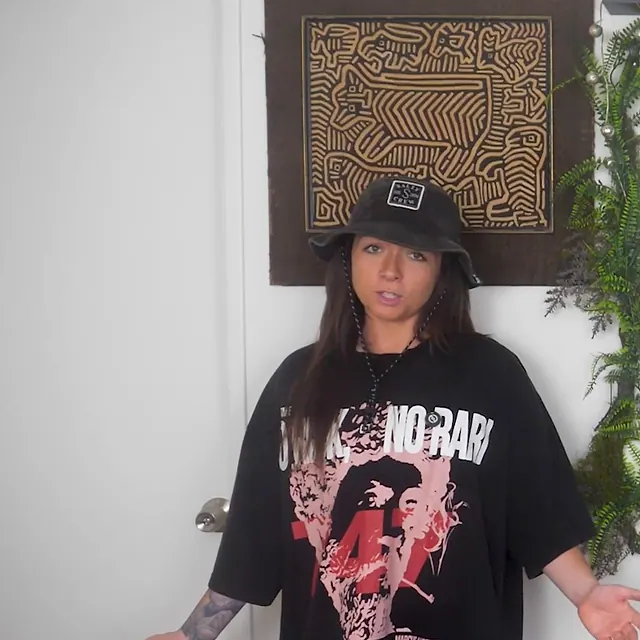
Seen on Lindsay Nikole, YouTube
What we won't do
We won't buy or sell reviews, ask for only positive ones, write reviews for anyone or help hide negative ones, and we won't work with creators whose followers or engagement are bought.
Each of those is covered by the FTC's rule on fake reviews, published at 16 CFR Part 465 on Aug. 22, 2024.
What a program includes
Review programs
Creators get product with no condition on what they say about it.
A creator community
People who get early product and news, and who you can call on for launches and feedback.
Disclosure
Set up so every review and post says the product was free or paid.
Vetting
Screening for bought followers and engagement before anyone joins.
A written policy
What we will and won't do, in a form you can share with your legal team.
Disclosure, on every post
The label, the words on screen and the first line of the caption all say the product was free or paid.
Paid partnership
Ad
Thanks to [Brand name] for the free product. Here's how it went this week.
Example only: a made-up post with the disclosure in the platform label, on screen and first in the caption.
Seen on Dave's Auto Center, YouTube
How we run it
1
Set the rules first
We agree with you, and your legal team if you like, what the program offers, what it asks for and how disclosure works.
2
Invite the right people
We invite creators and customers who already use products like yours and screen them for fake engagement.
3
Keep it going
Members get early product and a first look at what's next, and we ask for their honest view on what you make.
4
Listen and report
We report what people said, good and bad, so the feedback reaches the people who make the product.
The rules we work to
When it's a good fit
A good fit
This fits when people like your product and you want more of them talking about it, or when you're about to launch and want honest feedback.
Something else may do more
It doesn't fit if the goal is a wall of five-star reviews.
Review and community questions
Can we give free product in exchange for reviews?
You can give free product to people who agree to review it, as long as the review isn't conditioned on being positive and the reviewer says the product was free. The FTC's 2024 rule bans buying reviews that express a particular sentiment, positive or negative.
Can our employees post reviews?
Only if they say who they are. The 2024 rule covers undisclosed insider reviews, so a review from someone at your company has to make the connection clear.
How is a creator community different from an ambassador program?
Ambassadors are a small paid group with set moments across the year. A community is larger and looser: people who get early product and news and post when they want to, always with disclosure.