Creator content often works harder on your site or in a paid ad than it did in the feed, so we agree the rights before anyone films.
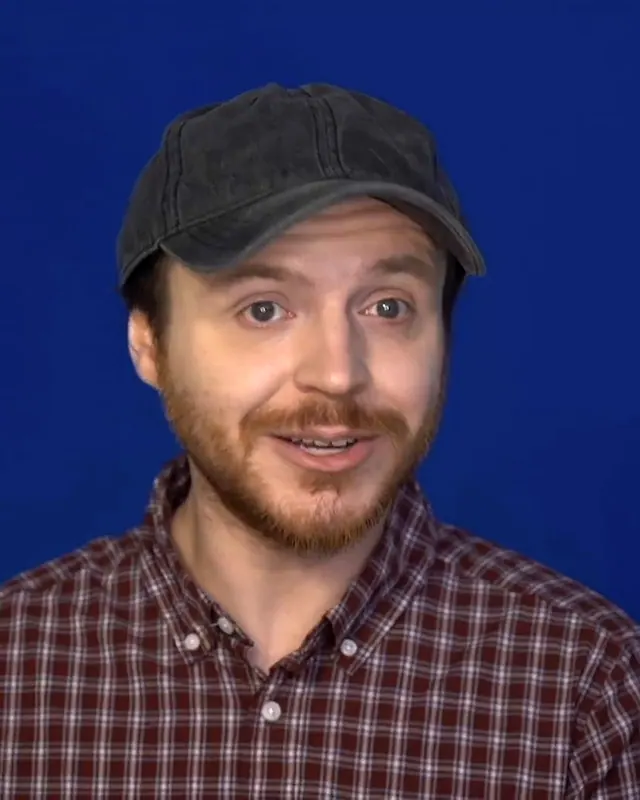
Seen on Buttered Side Down, YouTube
What the license covers
Written alongside the integration, before filming, and kept in a log your team can read.
Where it runs
Each place is named: organic social, paid social, your website, product pages, email.
For how long
A set window for each place, with an end date in the log.
Which edits
Cuts for each placement: vertical, square, short versions and still frames.
Clean versions
Without on-screen text or trending audio, for places where those won't work.
Store rules
Marketplaces and retailers set their own rules for product imagery and video, so we check each site before the license is written.
One piece, cut for each place
Example cuts and an example product page. The frames are from creators' own videos.
Vertical
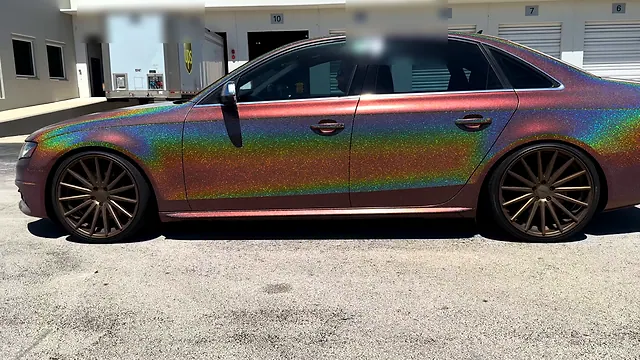
Seen on Your Way Living, YouTube
Square
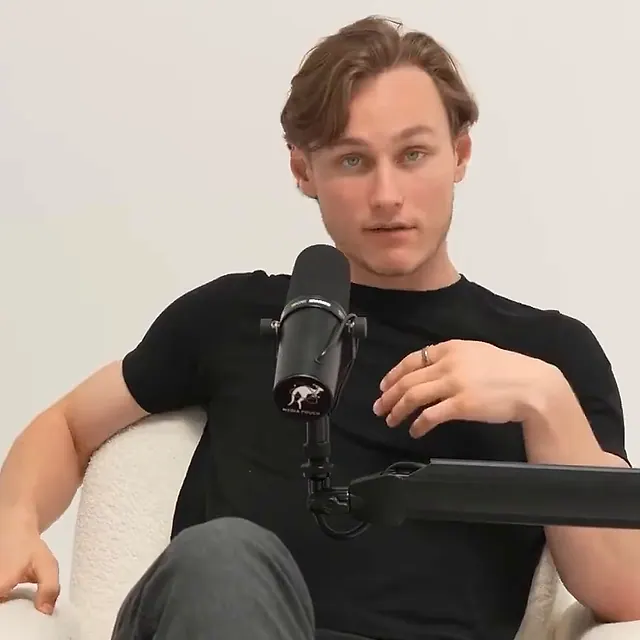
Seen on Modern MBA, YouTube
Wide
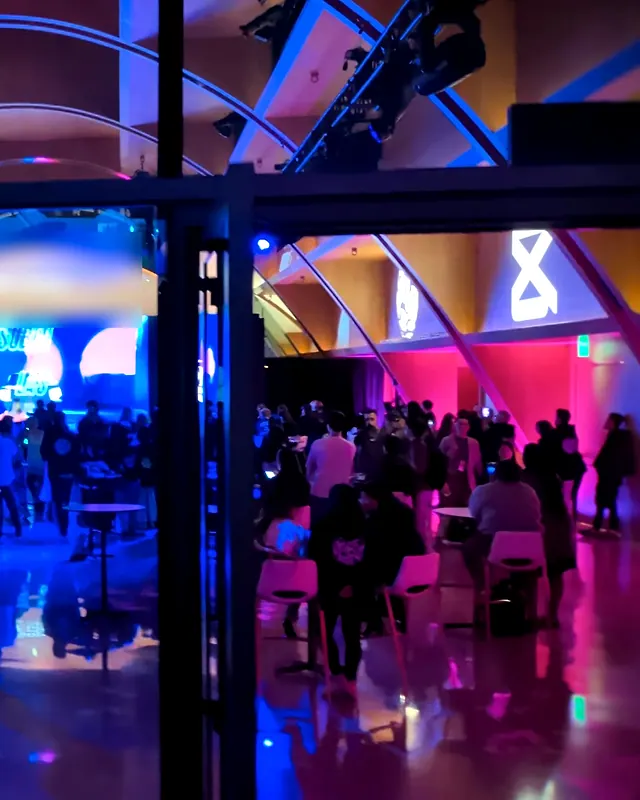
Seen on Diesel Creek, YouTube
Creator video
Add to cart
Example only: licensed creator video in a product page gallery. Seen on DipYourCar, YouTube.
How we handle the rights
1
Plan the reuse
We decide with you where the content should end up before we brief it, because that changes what we ask creators to film.
2
Agree the license
Channels, duration, edits and who can run it, agreed in writing alongside the integration.
3
Collect the files
We gather the cuts, clean versions and stills, labelled with the creator, the license and its end date.
4
Track and renew
We flag licenses before they end and help you decide which pieces are worth renewing.
When licensing pays off
A good fit
Licensing fits when your site needs imagery that looks like real use, or when paid social needs fresh creative. It works best when it's planned at the brief stage.
Something else may do more
Rights can be added later, but the content may not have been filmed with your site or ads in mind. If you don't yet know where content would run, start with integrations and decide once you've seen it.
Licensing questions
What's the difference between usage rights and partnership ads?
Usage rights let you run the content from your own accounts and pages. Partnership ads, which some people call whitelisting, appear under the creator's name with their permission, and on Meta the creator can take that permission back whenever they like.
How long should a license last?
As long as you'll really use it. License lengths vary deal by deal, so we size them around your plan: a few months of paid ads, a year on your site or a short flight around a launch.
Can we use creator content on marketplace product pages?
Often, yes, if the license covers it and the content meets that site's rules for product images and video. We check those rules before the license is written.